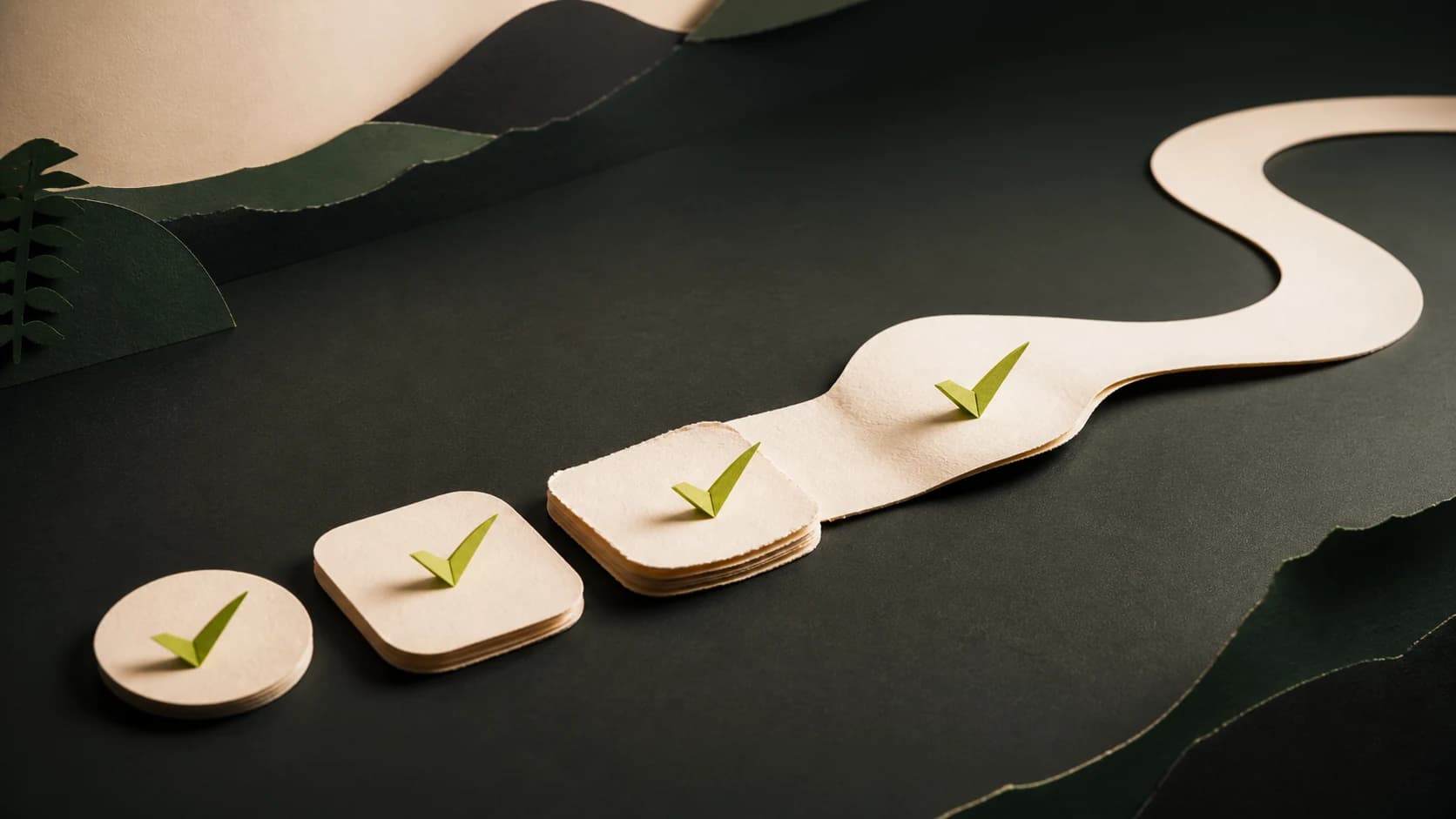
A difficult task often feels heavy before any real work begins. The mind pictures the entire assignment, every uncertainty, and the possibility of doing it badly. That imagined load creates resistance, so you tidy the workspace, check messages, or choose something easier while the important task remains untouched.
A ten-minute launch changes the goal. You are not promising to finish the task or even make major progress. You are creating a clean entry point, producing one visible artifact, and deciding what should happen next. That smaller promise is easier to keep and often generates enough clarity to continue.
Separate starting from finishing
Write the task as a launch outcome rather than a final outcome. Instead of finish proposal, use open the proposal, list the three decisions it must support, and draft the first heading. The launch outcome should be possible within ten minutes and should leave evidence that the task has moved.
This distinction reduces the emotional cost of beginning. Finishing may require research, feedback, and several work sessions. Starting only requires contact with the real material. Once the file, drawing, estimate, or conversation is in front of you, uncertainty becomes a set of smaller questions rather than one threatening cloud.
Choose the smallest useful artifact
Your artifact should be something another person could see: a rough outline, a marked-up page, a list of missing inputs, a calculation, or a draft message. Avoid actions such as think about it or get organized because they do not create a clear checkpoint and can expand indefinitely.
Useful does not mean polished. A five-line outline can reveal that one section lacks data. A quick sketch can expose a measurement conflict. A draft subject line can clarify the purpose of an email. The artifact gives your next session a starting surface instead of forcing you to rebuild context.
Protect the launch window
Set a ten-minute timer, close unrelated tabs, and place the needed source material within reach. If a missing input appears, record it in a short parking list rather than leaving the task to chase it immediately. The timer protects the launch from turning into an uncontrolled research session.
When an interruption arrives, capture it in one sentence and return to the artifact. This is not a deep-work block; it is a controlled handoff from avoidance to engagement. The narrow window makes it easier to decline small distractions because you know exactly when the launch will end.
End with a restart point
At ten minutes, decide deliberately whether to continue. If energy and time are available, begin a normal work block. If not, write the next physical action at the top of the artifact, such as confirm quantity with Maya or compare options against budget limit. Then schedule or queue that action.
A restart point prevents the common loss that occurs between work sessions. You should not need to reread everything to remember what mattered. The combination of a visible artifact and a precise next action turns ten minutes into durable progress, even when the larger task must wait.
Run one launch today
- Choose one important task you have postponed for at least a day.
- Rewrite it as a ten-minute launch outcome with one visible artifact.
- Set a timer, work only from the relevant material, and park distractions.
- Stop or continue deliberately, then record the exact restart action.
Common questions
What if ten minutes is not enough to produce anything useful?
Shrink the artifact again. List the questions the task must answer, identify the first missing input, or create the document structure. The purpose is to reduce ambiguity and create a reliable restart point, not to demonstrate impressive progress.
Should I stop when the timer ends if I am finally focused?
No. The timer is permission to begin, not a command to quit. Continue when the task is still the best use of your time. Pause only when another commitment or your planned capacity requires it, and always leave a next action.